
In modern substations and distribution networks, insulation failure inside switchgear and ring main units (RMUs) remains one of the leading causes of unexpected outages. As utilities continue to improve power system reliability, online partial discharge monitoring has become an essential part of preventive maintenance strategies.
Among different monitoring technologies, the partial discharge TEV sensor has become widely adopted because it can detect early insulation defects without interrupting equipment operation. By combining TEV and ultrasonic detection technologies, utilities can identify hidden discharge activity before it develops into serious failures.
Why Partial Discharge Monitoring Matters
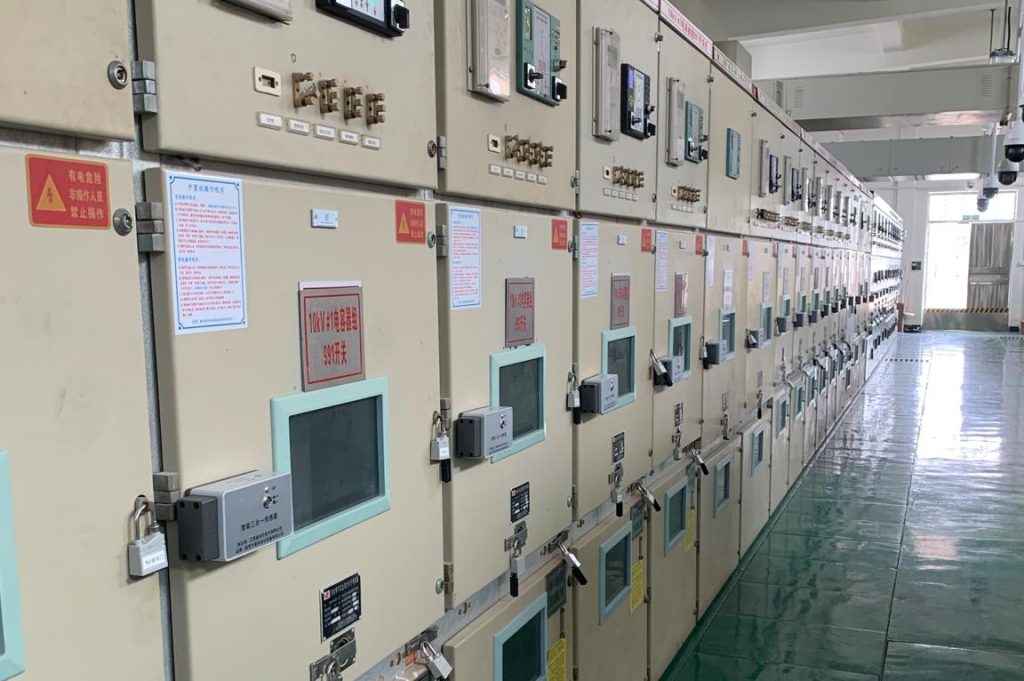
Partial discharge (PD) is a localized electrical discharge caused by insulation deterioration, loose connections, moisture, or aging components. In enclosed metal switchgear, these discharges may remain undetected for long periods until insulation breakdown occurs.
Traditional periodic inspections often cannot capture intermittent PD activity. Online monitoring sensors provide continuous condition assessment and allow maintenance teams to respond before faults escalate.
This is especially important for:
- Medium-voltage switchgear
- Ring main units (RMUs)
- GIS substations
- Distribution cabinets
- Cable compartments
What Is a Partial Discharge TEV Sensor?
A partial discharge TEV sensor is designed to detect transient earth voltage signals generated by internal discharge activity inside metal-clad switchgear.
When partial discharge occurs, high-frequency electromagnetic pulses propagate along the metal enclosure surface. TEV sensors capture these signals and convert them into measurable data for analysis.
Modern systems often integrate ultrasonic AA sensing technology together with TEV detection. This dual-detection approach significantly improves diagnostic accuracy.
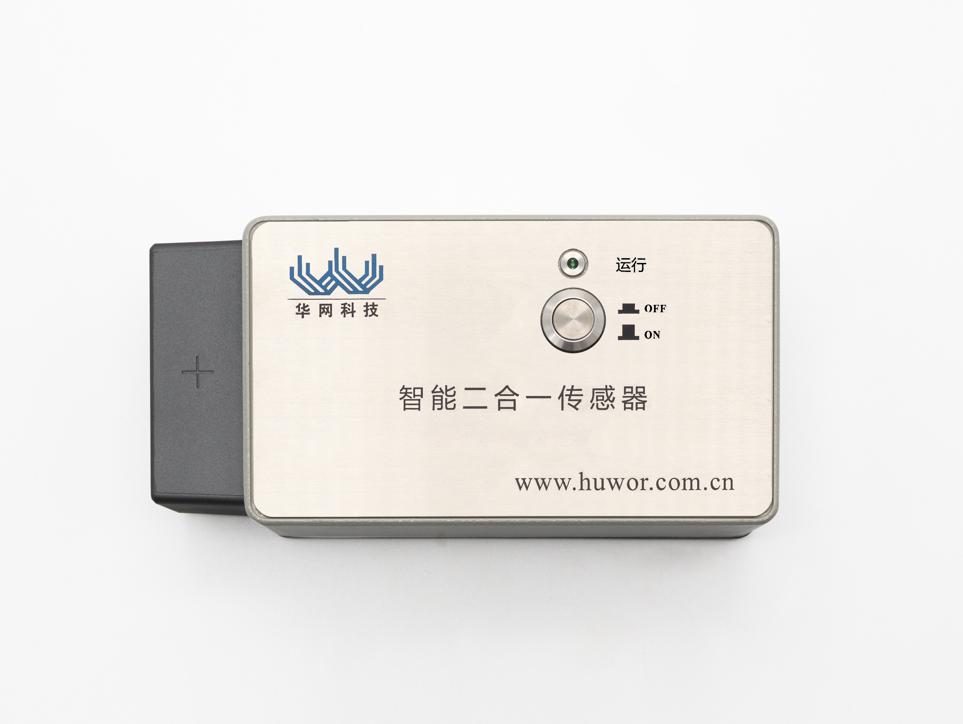
The Huwor dual-technology sensor integrates:
- TEV detection
- Ultrasonic AA detection
- Intelligent diagnostic capability
- Wireless or wired communication
- Online real-time monitoring
Dual Detection Technology Improves Accuracy
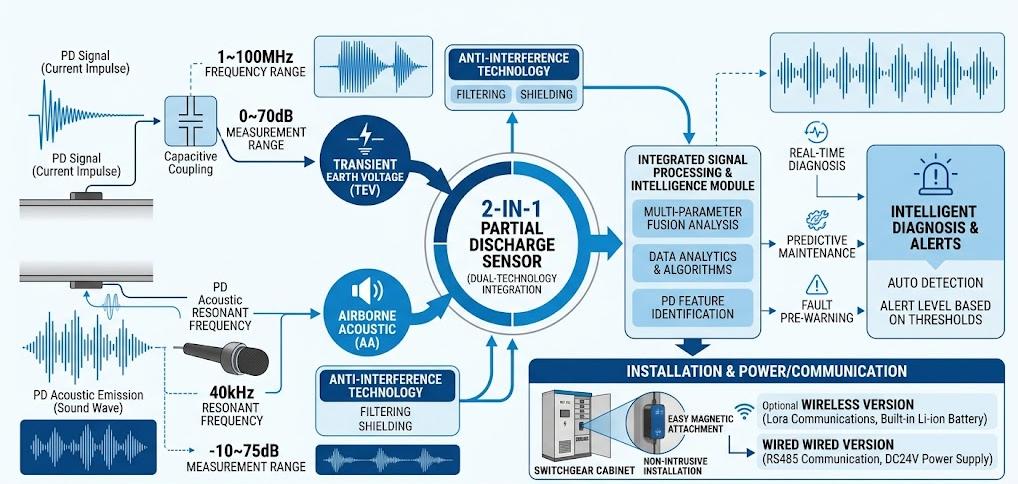
One major advantage of combining TEV and ultrasonic technologies is the ability to analyze both electrical and mechanical discharge characteristics simultaneously.
TEV Detection
TEV monitoring focuses on high-frequency electromagnetic signals generated by internal discharges.
Key parameters include:
- Frequency range: 1–100 MHz
- Measurement range: 0–70 dB
TEV technology is particularly effective for enclosed metal switchgear and RMUs.
Ultrasonic AA Detection
Ultrasonic sensing captures acoustic emissions generated during discharge activity.
Key parameters include:
- Resonant frequency: 40 kHz
- Measurement range: -10–75 dB
Ultrasonic monitoring is highly useful in noisy electromagnetic environments and can help verify discharge sources.
Together, these technologies provide more reliable insulation assessment compared with single-parameter monitoring systems.
Strong Anti-Interference Performance in Complex Environments
Substations and switching stations often contain strong electromagnetic interference. Reliable sensor performance requires advanced noise suppression capability.
The sensor uses:
- Electromagnetic shielding
- Signal filtering
- Noise suppression algorithms
- Stable signal acquisition technology
These features help ensure accurate monitoring even in challenging electrical environments.
Intelligent Diagnosis and Early Warning
Modern substations increasingly rely on intelligent monitoring systems rather than manual inspections alone.
The integrated data analysis module can:
- Analyze discharge patterns in real time
- Identify abnormal PD characteristics
- Automatically trigger alarms
- Support predictive maintenance decisions
This allows maintenance personnel to locate insulation risks earlier and reduce unplanned outages.
Easy Installation Without Power Interruption
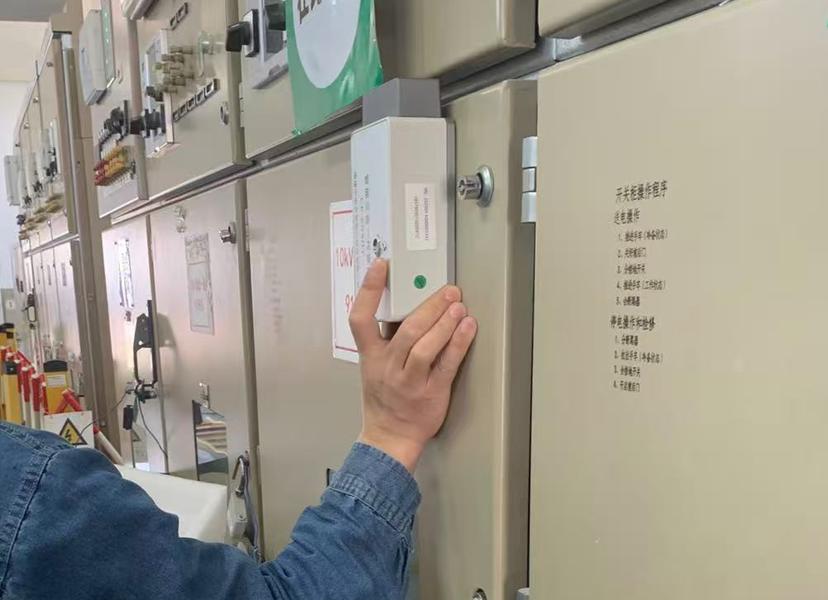
One of the practical benefits of this partial discharge TEV sensor is its simple installation method.
The sensor typically supports:
- Magnetic adsorption installation
- Live installation without shutdown
- Fast on-site deployment
- Minimal maintenance requirements
Because no complex modification of existing equipment is required, utilities can quickly upgrade older substations with online monitoring capability.
Communication and Power Supply Options
The sensor supports both wireless and wired deployment schemes.
Wireless Version
- LoRa communication
- Built-in lithium battery
Wired Version
- RS485 communication
- DC24V power supply
This flexibility makes the solution suitable for different substation architectures and monitoring requirements.
Technical Specifications
| Item | Specification |
| TEV Frequency Range | 1–100 MHz |
| TEV Measurement Range | 0–70 dB |
| AA Resonant Frequency | 40 kHz |
| AA Measurement Range | -10–75 dB |
| Wireless Communication | LoRa |
| Wired Communication | RS485 |
| Wireless Power Supply | Built-in Lithium Battery |
| Wired Power Supply | DC24V |
| Operating Temperature | -40°C to +85°C |
| Operating Humidity | 5–95% RH |
Typical Applications
The partial discharge TEV sensor is widely used in:
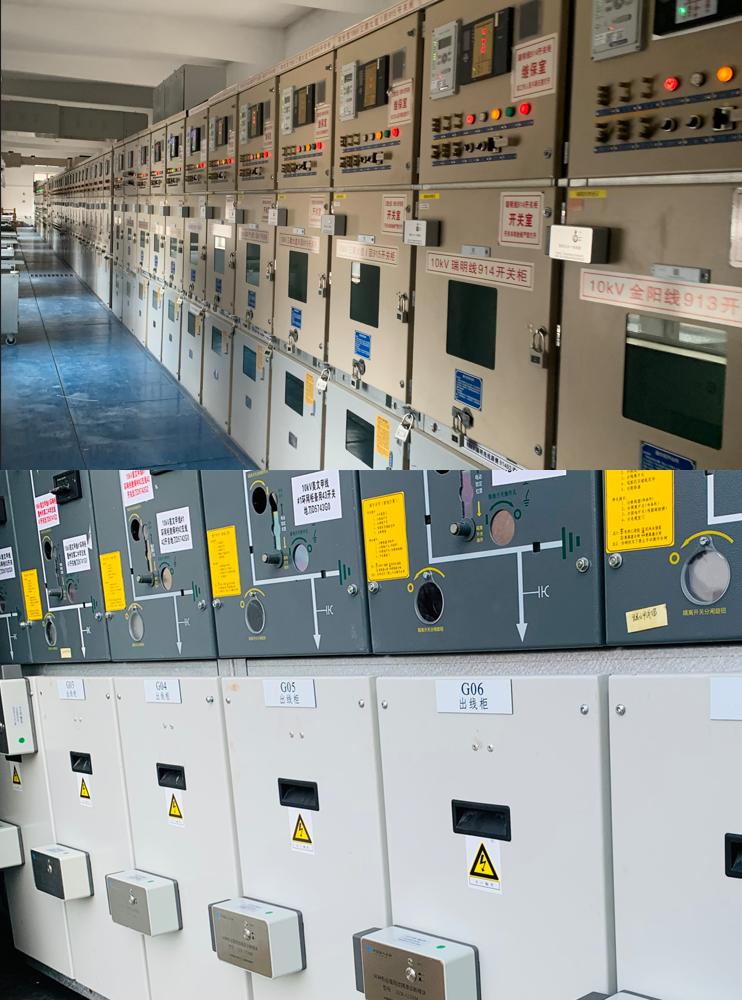
- Medium-voltage switchgear
- Ring main units (RMUs)
- Distribution substations
- Switching stations
- Industrial power systems
- Smart grid monitoring projects
Continuous online monitoring helps utilities improve equipment reliability, reduce maintenance costs, and prevent unexpected failures.
Conclusion
As power systems move toward intelligent operation and predictive maintenance, the demand for reliable online partial discharge monitoring continues to grow.
A dual-technology partial discharge TEV sensor combining TEV and ultrasonic AA detection provides more accurate fault identification, stronger anti-interference performance, and easier installation for modern substations and switchgear systems.
For utilities seeking long-term equipment reliability and safer grid operation, integrated TEV and ultrasonic monitoring solutions are becoming an increasingly practical choice.