
Partial discharge (PD) is widely recognized as an early indicator of insulation deterioration in high-voltage electrical equipment. Whether in GIS switchgear, power cables, transformers, or medium-voltage switchgear, undetected PD activity can gradually lead to insulation failure and unexpected outages.
Understanding the most effective partial discharge detection methods is essential for ensuring the long-term reliability of power systems.
This article explains the main PD detection technologies, their working principles, and typical application scenarios.
What Is Partial Discharge?
Partial discharge refers to localized electrical discharges that partially bridge the insulation between conductors. Although PD does not immediately cause complete breakdown, it progressively damages insulation materials.
Common PD occurrence locations include:
- Cable joints and terminations
- GIS (Gas Insulated Switchgear) compartments
- Transformer windings
- Ring main units (RMU)
- Metal-clad switchgear
Early detection allows maintenance teams to prevent major failures months or even years in advance.
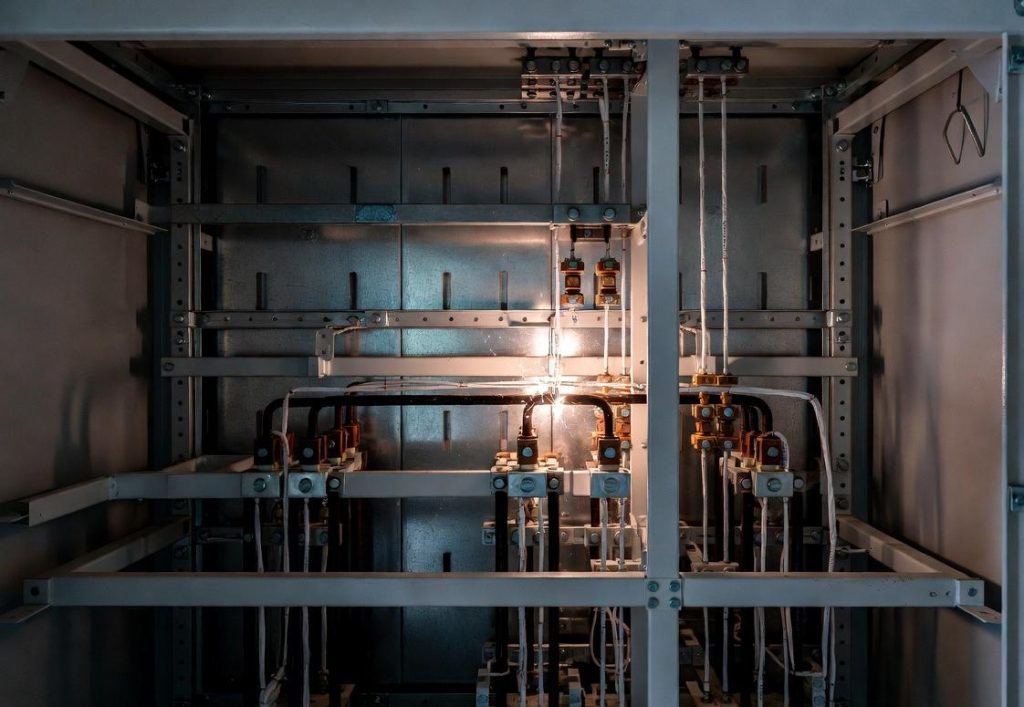
Main Partial Discharge Detection Methods
Depending on signal characteristics and measurement principles, PD detection methods can be classified into several categories.
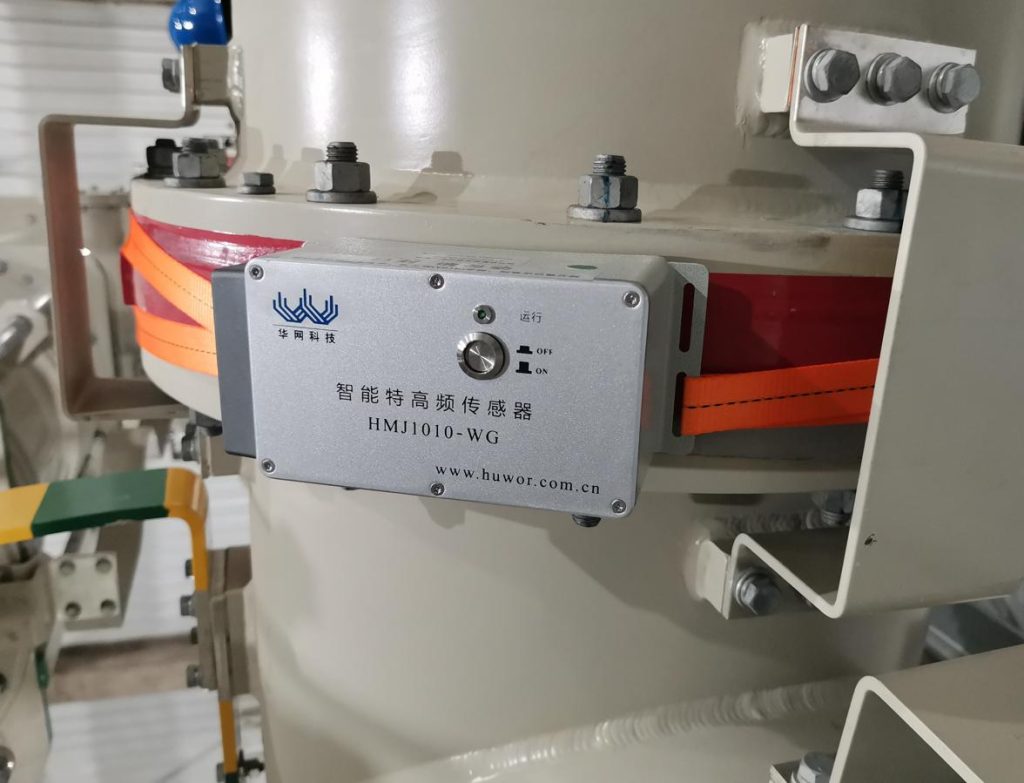
1. UHF (Ultra High Frequency) Detection
Working Principle:
Partial discharge generates electromagnetic waves typically in the 300 MHz–1.5 GHz range. UHF sensors capture these signals inside enclosed equipment.
Typical Applications:
- Gas Insulated Switchgear (GIS)
- High-voltage switchgear
- Ring Main Units (RMU)
Advantages:
- Strong anti-interference capability
- Suitable for online monitoring
- Highly effective in enclosed metallic systems
UHF technology is widely adopted in GIS substations for continuous condition monitoring.
2. HFCT (High Frequency Current Transformer) Method
Working Principle:
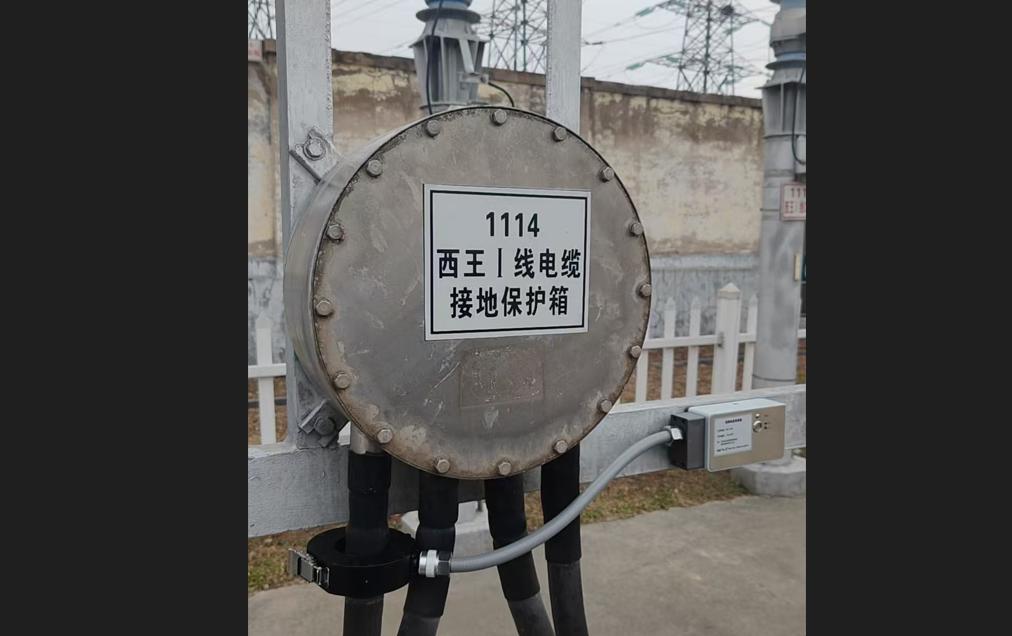
PD pulses create high-frequency currents flowing through grounding conductors. HFCT sensors installed around grounding cables detect these current signals.
Typical Applications:
- Power cables
- Cable joints
- Cable terminations
Advantages:
- Easy installation
- High sensitivity to cable-related PD
- Suitable for live-line testing
HFCT is one of the most common methods used in medium-voltage cable systems.
3. TEV (Transient Earth Voltage) Detection
Working Principle:
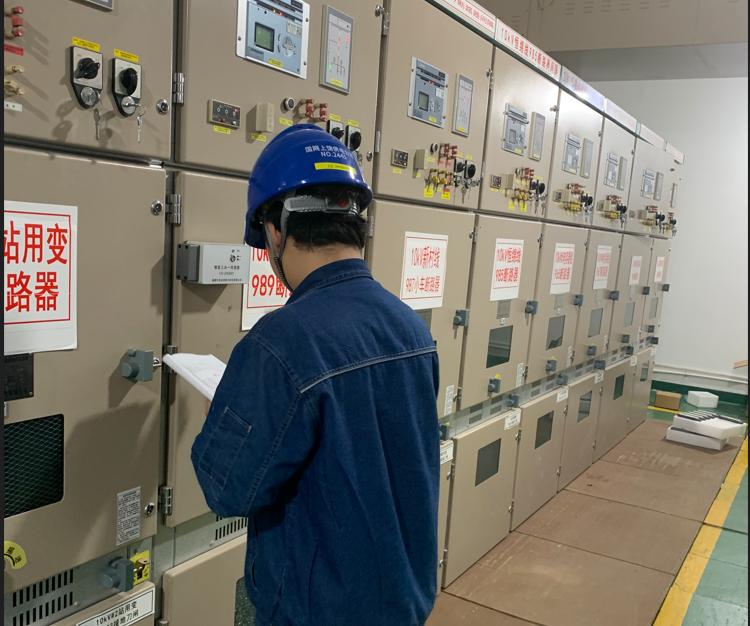
Internal partial discharge induces transient voltage signals on the metal surface of switchgear panels. TEV sensors capture these surface voltage pulses.
Typical Applications:
- Metal-clad switchgear
- Medium-voltage distribution panels
Advantages:
- Non-intrusive testing
- Suitable for energized inspection
- Fast field deployment
TEV is particularly popular in distribution-level PD inspection.
4. Ultrasonic Detection
Working Principle:
PD activity generates ultrasonic acoustic emissions that can be detected by airborne or contact ultrasonic sensors.
Typical Applications:
- Open-type switchgear
- Transformers
- Air-insulated substations
Ultrasonic detection is often used as a complementary diagnostic tool.
Online Monitoring vs. Periodic Testing
It is important to distinguish between:
- Offline or periodic live testing – manual inspection at scheduled intervals
- Online continuous monitoring – real-time data collection and trend analysis
Critical infrastructure such as GIS and power transformers typically require continuous PD monitoring systems to enable predictive maintenance.
How to Choose the Right PD Detection Method
When selecting a partial discharge detection solution, consider:
- Equipment type (GIS, cable, switchgear, transformer)
- Voltage level
- Need for continuous monitoring
- Electromagnetic interference conditions
- Installation feasibility and budget
In many modern substations, multi-sensor integration (UHF + HFCT + Temperature + Environmental monitoring) provides higher diagnostic accuracy.
Future Trends in Partial Discharge Monitoring
With the development of digital substations and smart grid technologies, PD monitoring systems are evolving toward:
- Multi-sensor data fusion
- AI-based pattern recognition
- Cloud-based data platforms
- Mobile alarm and remote diagnostics
The future of partial discharge monitoring lies not only in detection, but in predictive asset management.