
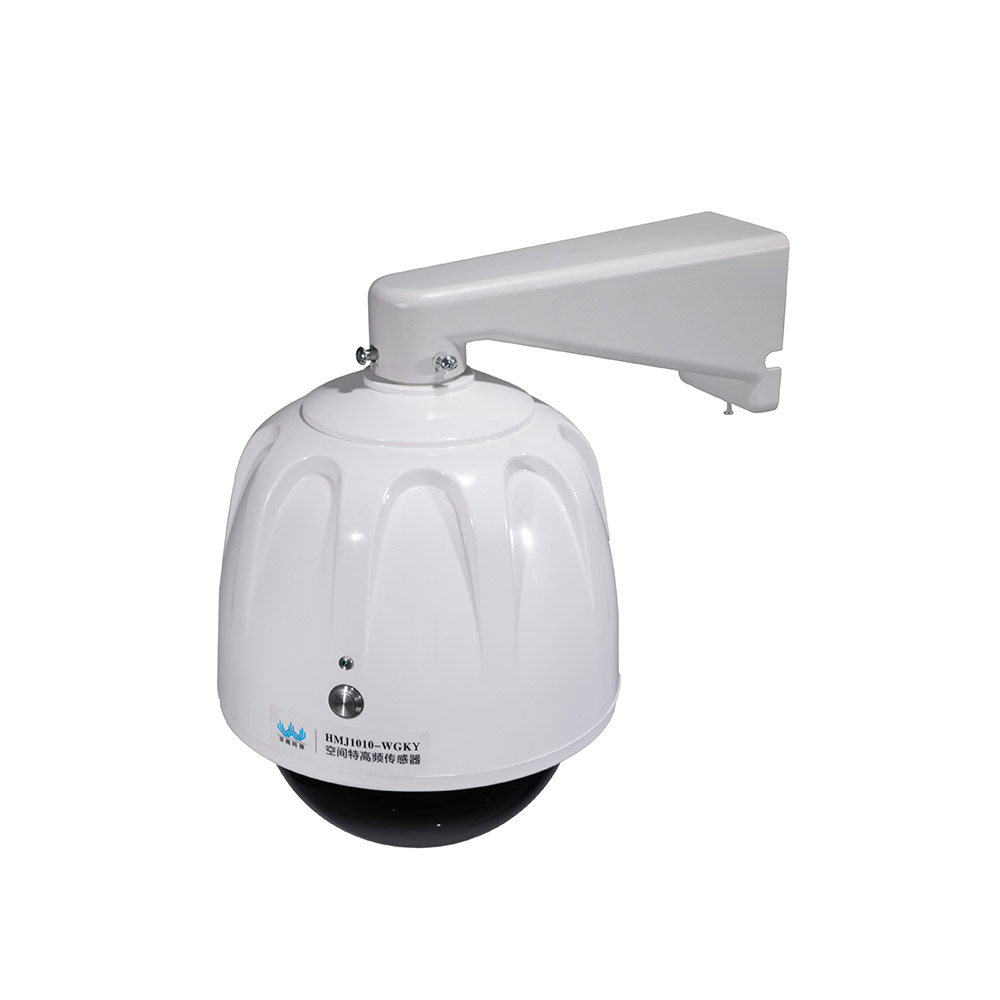
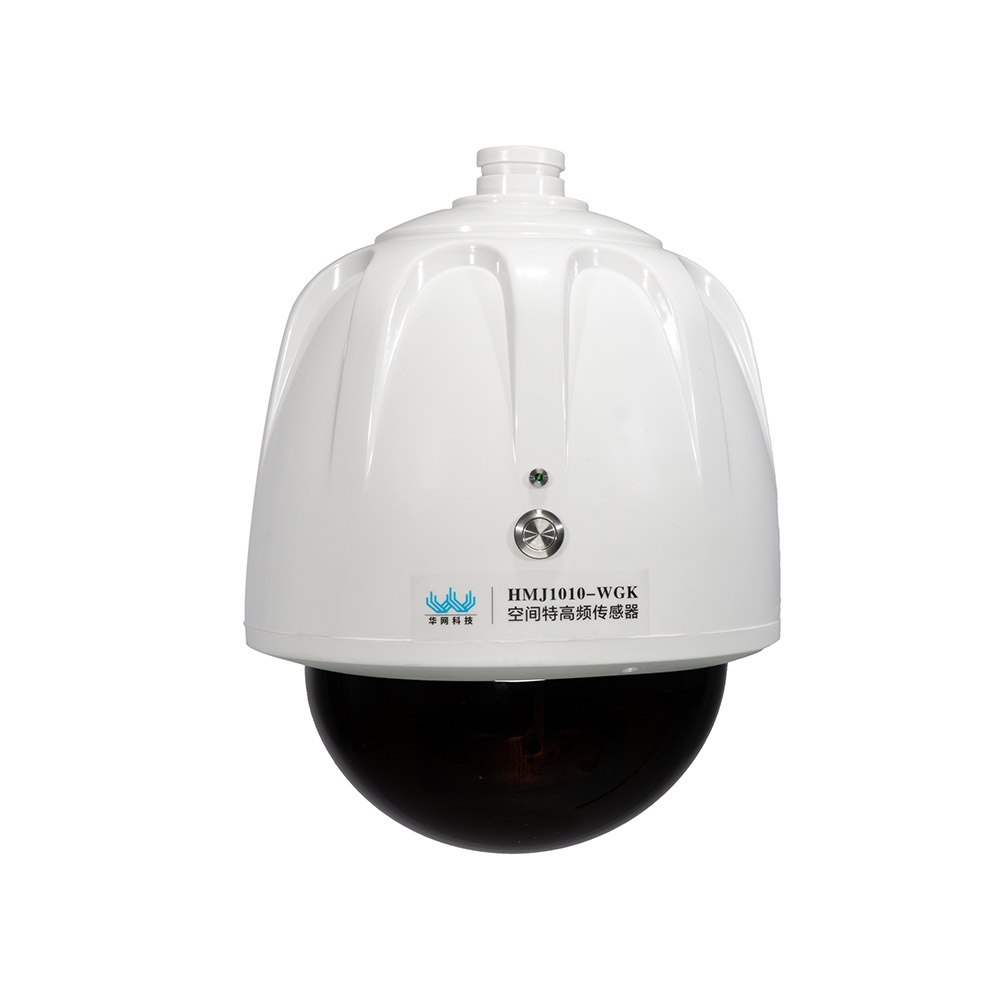
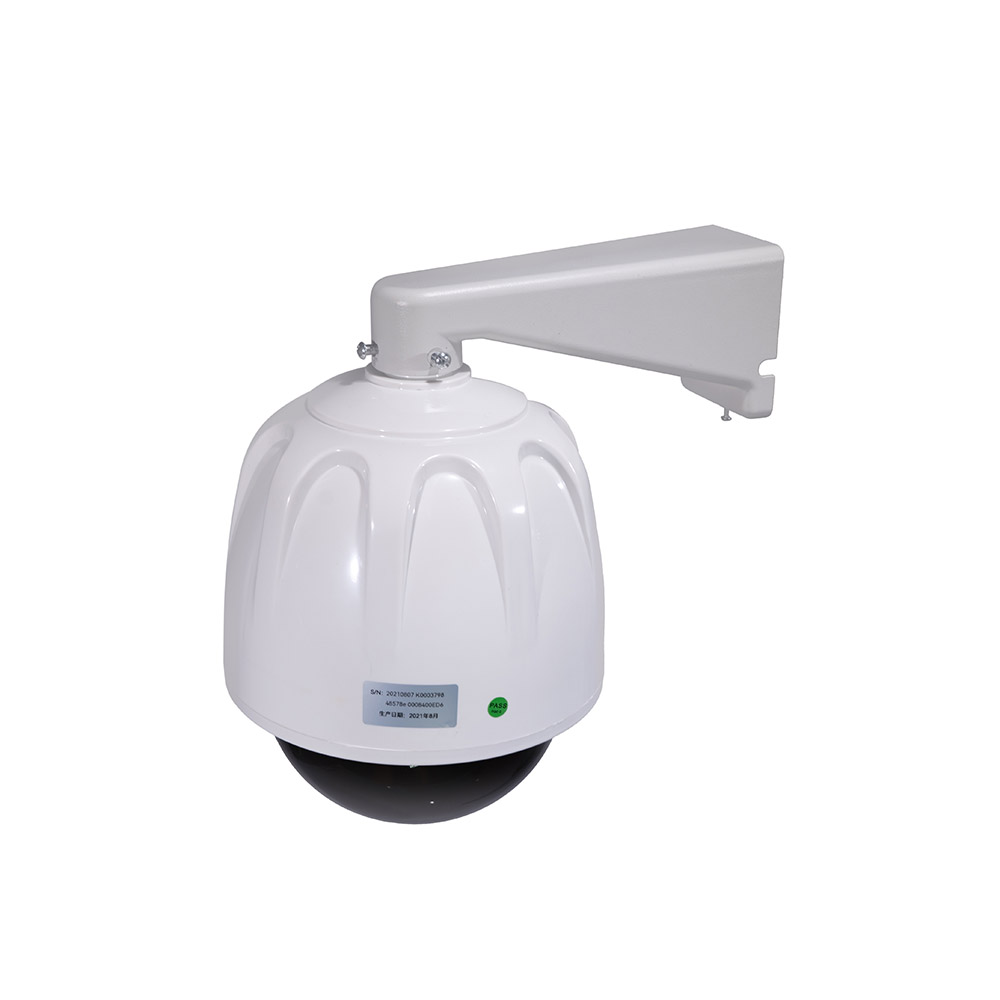
Model:
HMJ1010-WGK
Product Overview:
The Intelligent Spatial UHF Partial Discharge Sensor is designed to monitor ultra-high frequency (UHF) partial discharge signals within specific environments such as high-voltage distribution rooms and ring main units (RMUs). It is typically installed on the inner walls of switch stations or distribution rooms, enabling real-time detection of UHF partial discharge signals in these areas. This provides early warnings of potential insulation defects and helps ensure the safe and stable operation of power equipment.
Key Features:
High Sensitivity:
The sensor can detect weak UHF signals with high sensitivity, including nanosecond-level electromagnetic pulses generated by partial discharges. This enables early detection of insulation deterioration and potential faults.
Strong Anti-Interference Capability:
Equipped with advanced signal processing and filtering algorithms such as analog filtering, pulse grouping, periodic pulse elimination, and dynamic threshold setting. These measures effectively suppress ambient electromagnetic interference and noise, ensuring accurate and reliable measurements.
Non-Contact Full-Angle Detection:
Utilizes non-contact, omnidirectional spatial electromagnetic wave detection technology, enabling 360° monitoring without the need for physical contact with the device under test. This avoids interference with equipment insulation and simplifies installation.
Smart Communication Options:
Supports both LoRa wireless and RS485 wired communication protocols, making it easy to transmit data to smart distribution gateways or central monitoring systems for remote diagnostics and data sharing.
Technical Specifications:
| Item | Specification |
| Frequency Range | 300–1500 MHz |
| Measurement Range | -80 to -10 dBm |
| Average Equivalent Height | ≥10 mm |
| Sensitivity | ≤6.5 V/m |
| Dynamic Range | ≥40 dB |
| Communication Protocol | Wireless: LoRaWired: RS485 |
| Power Supply | Wireless: Built-in lithium batteryWired: DC 24V |
| Operating Temperature | -40°C to +85°C |
| Operating Humidity | 5%–95% RH |
Frequently Asked Questions about spatial UHF partial discharge sensor
What is the spatial UHF partial discharge sensor (HMJ1010-WGK) used for?
The spatial UHF partial discharge sensor — model HMJ1010-WGK is designed for continuous online partial discharge monitoring of HV switchgear and cables. It is deployed in HV switchgear, cable terminations, GIS and transformer bushings, where it gives maintenance teams continuous or periodic visibility of insulation condition so that defects can be identified before they develop into unplanned outages.
What is the frequency range of the HMJ1010-WGK?
According to the published specification, the frequency range is 300–1500 MHz. This figure is measured under the reference conditions stated in the product datasheet; for project-specific acceptance criteria please refer to the type test report supplied with the quotation.
Which detection principle does this sensor use, and how do I choose?
Different partial discharge defects are best seen with different coupling methods. UHF sensors pick up electromagnetic waves emitted by discharge inside metal-enclosed equipment and give good immunity to corona from outside; HFCT sensors couple to the pulse current flowing on the earthing or cable screen and suit cable and transformer applications; contact ultrasonic and TEV sensors are used for surface and internal discharge in switchgear. The HMJ1010-WGK listed here applies the principle best matched to its intended installation, and multi-function versions combine several principles in one housing where the defect type cannot be predicted in advance.
How is the spatial UHF partial discharge sensor powered and how does it communicate?
The HMJ1010-WGK uses the following interface configuration: communication is Wireless: Lo Ra Wired: RS485; power supply is Wireless: Built-in lithium battery Wired: DC 24V. This allows the same device to be fitted in both retrofitted installations and new builds; the exact combination is confirmed at order stage against the site communication architecture.
Is installation possible without an outage?
In most cases yes. Because the spatial UHF partial discharge sensor is installed on the equipment while it remains energised, the work is normally carried out as a live-line operation by qualified personnel following the site safety rules. Where a sensor must be coupled to an earthed screen, bonded connection or gas compartment, a short outage may be required — this is confirmed during the site survey.
Does HUWOR support OEM/ODM and what is the delivery lead time?
Yes. Zhuhai Huawang Technology Co., Ltd. supplies the spatial UHF partial discharge sensor under its own brand and also supports OEM/ODM supply, including private labelling, custom firmware functions and integration with the customer’s monitoring platform. Standard units are typically quoted with a lead time confirmed at order stage depending on quantity and configuration; sample and pilot orders are supported.
Applications
The spatial UHF partial discharge sensor is used for continuous online partial discharge monitoring of HV switchgear and cables. Typical installation sites include HV switchgear, cable terminations, GIS and transformer bushings. It is applied both on new assets, where the monitoring function is built into the asset from the start, and on existing assets where it is retrofitted to extend the information available to the maintenance team.
How it works
The instrument converts the physical quantity of interest into an electrical signal, conditions and digitises that signal in the field unit, and passes the result to the monitoring platform or to the operator. Condition assessment relies on the trend rather than on a single reading: the value recorded today is compared with the commissioning value and with the historical series for the same measurement point, and it is the direction and rate of change that indicate whether the asset is degrading.
Installation and commissioning
Installation follows three steps: a site survey to confirm the mounting position, the communication path and the power arrangement; mechanical fitting of the sensor or the use of the instrument on the test point; and finally commissioning, where the readings are verified against a reference and the alarm thresholds are set.
For this model the relevant interface conditions are: communication Wireless: Lo Ra Wired: RS485, power supply Wireless: Built-in lithium battery Wired: DC 24V.
Standards and documentation
Type test reports, calibration certificates and installation documentation are provided with the supply. Where a project requires the equipment to be verified against a specific national or utility standard, the applicable clauses should be stated in the enquiry so that the test scope can be confirmed at quotation stage.
Reviews
There are no reviews yet.