
1. What is Partial Discharge (PD)?
Partial Discharge (PD) is a localized electrical discharge that only partially bridges the insulation between conductors. According to IEC 60270, PD can occur adjacent to a conductor or elsewhere within the insulation system.
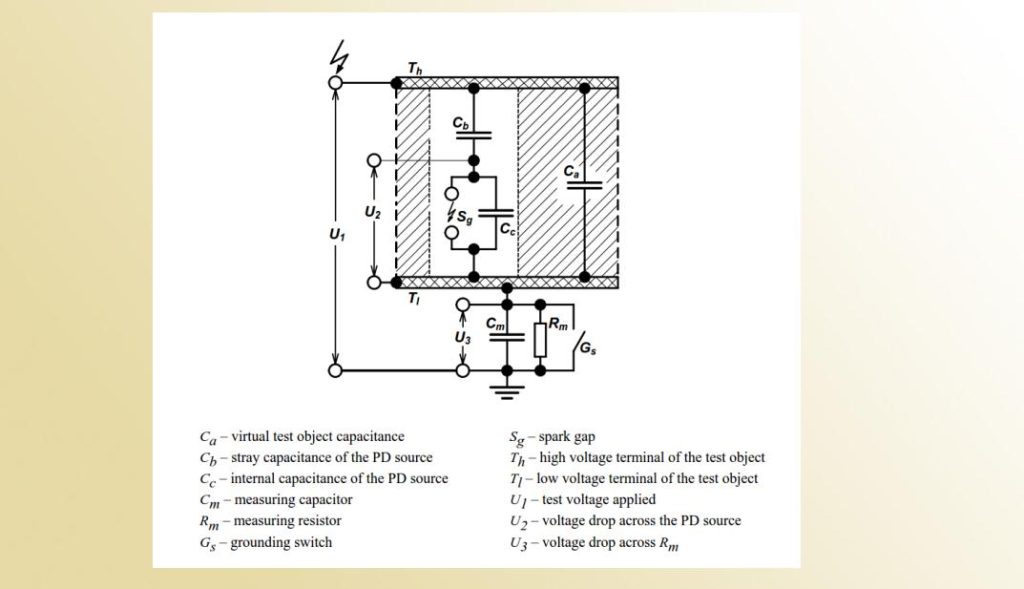
It typically shows a cavity or void within a dielectric material between two electrodes.
2. Why PD Measurement is Critical for Asset Management
Repeated PD events lead to gradual insulation degradation. Over time, the heat from these tiny sparks causes carbonization. Since carbon is electrically conductive, the insulation eventually fails, which can lead to the total destruction of high-value equipment like transformers and GIS.
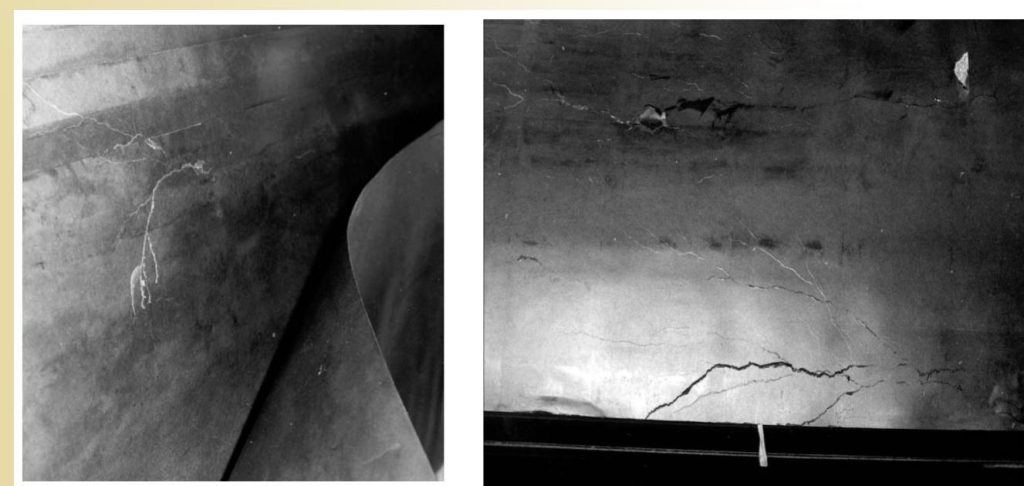
This image shows the physical “tree-like” burn marks (Lichtenberg figures) left by surface discharges on the insulation of a power transformer.
3. The Apparent Charge Method (IEC 60270)
Since the actual charge at the site of a discharge cannot be measured directly, the industry uses the Apparent Charge Method.
- Definition: The apparent charge (q) is the charge that, if injected between the terminals of the test object, would produce the same reading as the actual PD pulse.
- Unit: It is measured in picocoulombs (pC).
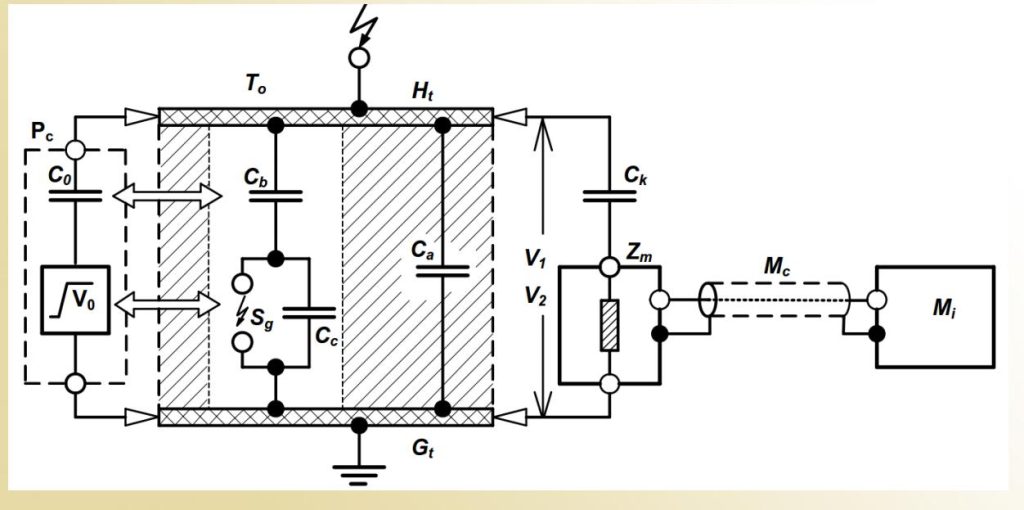
This diagram illustrates how a calibration pulse mimics the effect of an internal PD event to allow for quantifiable measurement.
4. Diagnosing Defects via PD Patterns
Modern diagnostics rely on Phase-Resolved Partial Discharge (PRPD) patterns. By analyzing where pulses occur relative to the AC voltage waveform, engineers can identify the type of defect:
- Corona in Air: Usually occurs near the voltage peaks.
- Internal Voids: Discharges often appear on the rising or falling edges of the AC cycle.
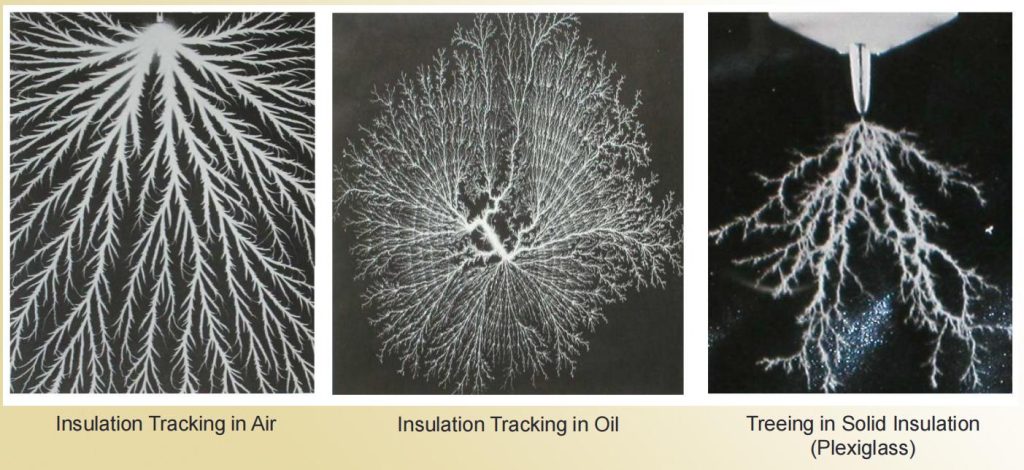
This image (often a grid of sine waves with dots) shows how different defects—like surface tracking vs. internal voids—look on an oscilloscope or PD detector.